
Essays · Olfactory Art
Cashmere. Một mùi về chạm.
Người ta ngửi một thứ và nghĩ đến việc chạm.
People smell something and think of touching.
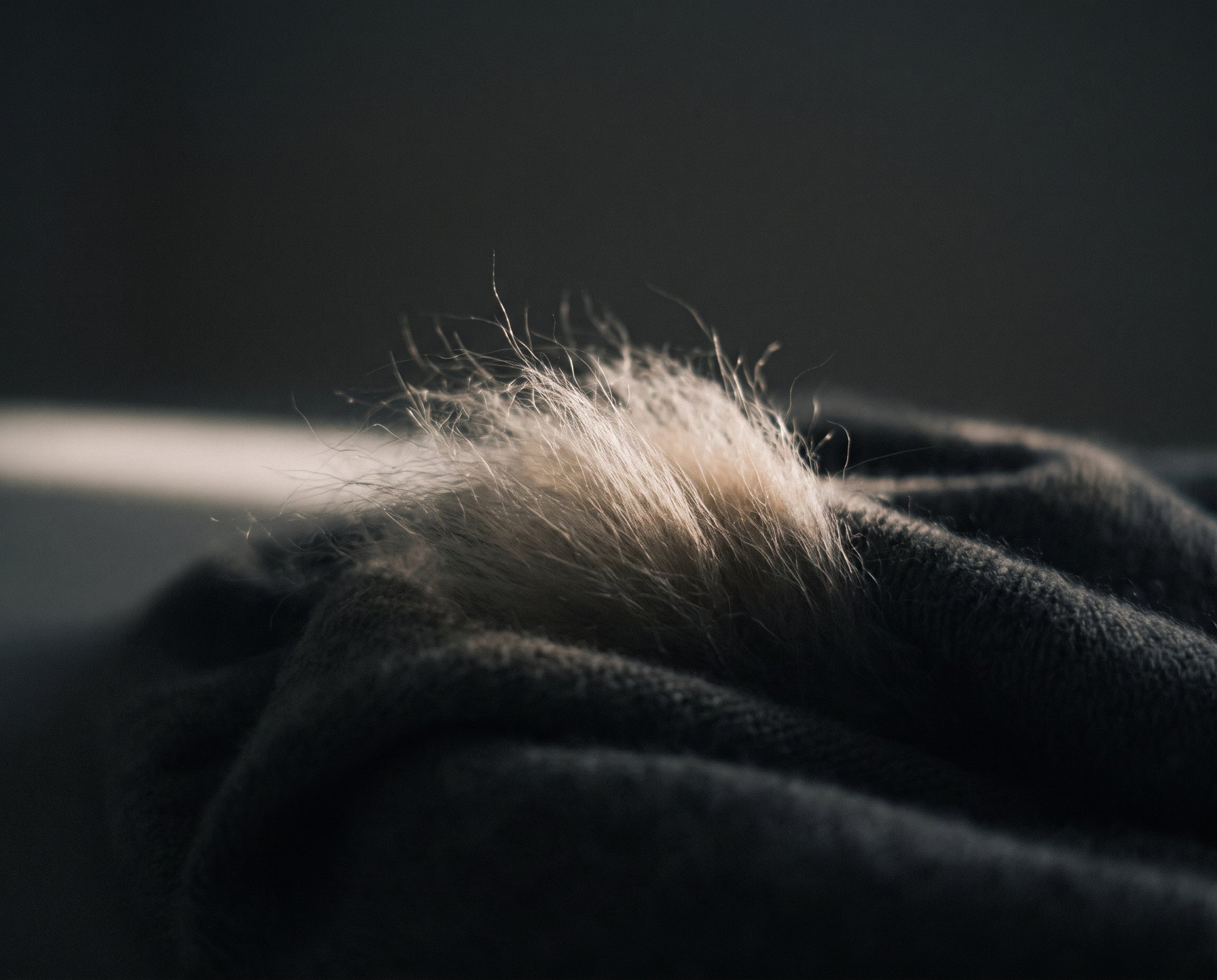
Len cashmere: một vật gần như không mùi
Cashmere là loại len lấy từ lớp lông tơ mịn mọc dưới lớp lông ngoài của dê cashmere, loài dê sống ở vùng cao lạnh châu Á. Tên gọi đến từ Kashmir, nơi những chiếc khăn choàng dệt từ loại len này nổi tiếng ở châu Âu từ lâu.
Sợi cashmere rất mảnh, nhẹ, giữ ấm tốt. Cái làm người ta nhớ về nó là cảm giác trên da: mềm đến mức gần như không có trọng lượng. Một chiếc khăn cashmere sạch thì gần như không có mùi gì. Nếu có, đó là mùi của người đã quàng nó, mùi xà phòng, mùi tủ gỗ.
Vậy mà trong thế giới nước hoa, cashmere là tên của một mùi. Không phải mùi của len. Mà là mùi của một phân tử được đặt theo cảm giác mà len để lại.
Cashmeran: gỗ, xạ hương, bụi ấm
Cashmeran là tên thương mại của một phân tử do IFF tạo ra vào thập niên 1970. Tên hoá học của nó dài và khô: một dẫn xuất indanone với năm nhóm methyl. Về cấu trúc, nó gần với họ musk đa vòng, những phân tử musk sạch từng đi vào bột giặt. Nhưng mùi của nó nghiêng về gỗ, nên thường được xếp ở giữa musk và gỗ.
Mùi cashmeran khó tả bằng chữ của mũi. Người ta dùng rất nhiều chữ khác nhau: gỗ ấm, xạ hương, thông, gia vị nhẹ, đất hơi ẩm, bụi ấm. Nhưng chữ hay được nhắc nhất lại không thuộc về mũi. Mềm. Như len. Như da.
Trong nước hoa, cashmeran thường được dùng để làm mềm những mùi gỗ, nối chúng với các musk, thêm vào một cảm giác ấm và gần. Nó không nổi lên như một nhân vật chính. Nó giống lớp vải lót bên trong một chiếc áo.
Như nhiều phân tử khác, cashmeran cũng có giới hạn sử dụng. Hiệp hội IFRA ban hành một tiêu chuẩn hạn chế cho nó vào năm 2020, với mức tối đa khác nhau theo từng nhóm sản phẩm.
Mượn chữ từ xúc giác
Việc gọi một mùi bằng tên một loại len không phải là chuyện lạ. Mũi, trong hầu hết các ngôn ngữ, là giác quan nghèo chữ nhất. Ta có rất nhiều chữ cho màu, cho âm thanh, cho vị. Cho mùi thì ít. Phần lớn thời gian, ta gọi mùi theo vật tạo ra nó: mùi cam, mùi khói, mùi cỏ. Khi vật không rõ, ta đi mượn.
Ta mượn từ xúc giác nhiều hơn ta tưởng. Một mùi mềm. Một mùi sắc. Một mùi nặng. Một mùi ấm, một mùi mát. Một mùi mịn như nhung. Không chữ nào trong số đó nói về hoá học. Chúng nói về cảm giác trên da.
Cashmeran chỉ đi xa hơn một bước. Nó không mượn một tính từ. Nó mượn cả tên một chất liệu. Và người ngửi hiểu ngay, dù có thể chưa từng chạm vào một chiếc khăn cashmere thật.
Khi mũi nói bằng ngôn ngữ của tay
Có một điều đáng suy nghĩ ở đây. Cái tên cashmere không mô tả mùi. Nó mô tả điều người ta muốn cảm thấy khi ngửi mùi ấy: được bao bọc, được ấm, được chạm nhẹ. Mùi, trong trường hợp này, không còn là thông tin về một vật. Nó là lời mời vào một cảm giác.
Điều đó cho thấy mùi hiếm khi đứng một mình. Nó dính vào những giác quan khác, vào ký ức của da, của tay, của nhiệt độ căn phòng. Một mùi gỗ không chỉ là mùi. Nó còn là cái mịn của mặt gỗ, cái ấm của một buổi chiều.
Chiếc khăn cashmere vẫn không có mùi. Nhưng một phân tử đã mượn tên nó, và từ đó, mỗi lần ngửi, người ta lại nghĩ tới việc chạm.
Cashmere wool: a thing almost without smell
Cashmere is wool taken from the fine down that grows beneath the outer coat of the cashmere goat, an animal of the cold highlands of Asia. The name comes from Kashmir, whose shawls woven from this wool were famous in Europe long ago.
Cashmere fibre is very fine, light and warm. What people remember is how it feels on the skin: so soft it seems to weigh nothing. A clean cashmere scarf smells of almost nothing. If it smells at all, it is of whoever wore it, of soap, of a wooden wardrobe.
Yet in perfume, cashmere is the name of a smell. Not the smell of wool. The smell of a molecule named after the feeling the wool leaves behind.
Cashmeran: wood, musk, warm dust
Cashmeran is the trade name of a molecule created by IFF in the 1970s. Its chemical name is long and dry: an indanone carrying five methyl groups. In structure it sits close to the polycyclic musks, the clean musks that went into detergent. But its smell leans toward wood, so it is usually placed between musk and wood.
Cashmeran is hard to describe in the nose's own words. People reach for many: warm wood, musk, pine, a light spice, slightly damp earth, warm dust. But the word used most does not belong to the nose at all. Soft. Like wool. Like skin.
In perfume, cashmeran is used to soften woody notes, link them to musks, and add a sense of warmth and closeness. It does not step forward as a main character. It is more like the lining inside a coat.
Like many molecules, cashmeran has limits on its use. IFRA published a restriction standard for it in 2020, with maximum levels that differ by product category.
Borrowing words from touch
Naming a smell after a wool is not strange. In most languages, smell is the sense poorest in words. We have many words for colour, sound, taste. For smell, few. Mostly we name a smell after what makes it: orange, smoke, grass. When the source is unclear, we borrow.
We borrow from touch more than we realise. A soft smell. A sharp smell. A heavy smell. A warm smell, a cool one. A smell smooth as velvet. None of these words is about chemistry. They are about feeling on skin.
Cashmeran goes only one step further. It borrows not an adjective but the name of a whole material. And people understand at once, even if they have never touched a real cashmere scarf.
When the nose speaks the hand's language
There is something to think about here. The name cashmere does not describe the smell. It describes what people want to feel when smelling it: wrapped, warm, lightly touched. The smell, in this case, is no longer information about a thing. It is an invitation into a sensation.
This shows how rarely smell stands alone. It clings to the other senses, to the memory of skin, of hands, of the temperature of a room. A woody smell is not only a smell. It is also the smoothness of the wood's surface, the warmth of an afternoon.
The cashmere scarf still has no smell. But a molecule borrowed its name, and ever since, each time people smell it, they think of touching.


Olfactory Art