
Essays · Olfactory Art
Cyrus Clarke. The Anemoia Device.
Nhớ một nơi mình chưa từng đến.
Missing a place you have never been.
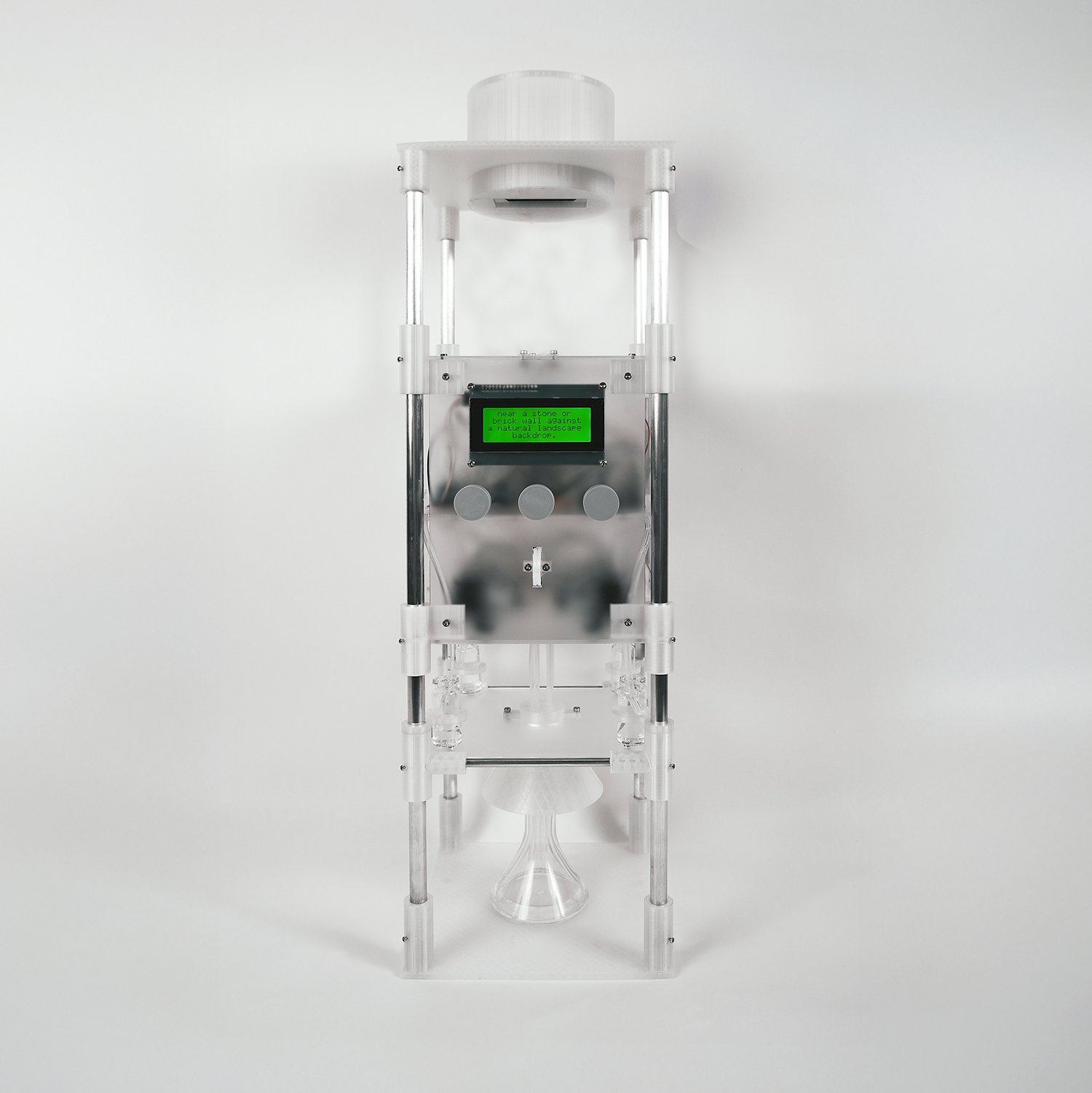
© Cyrus Clarke 2025 · Cyrus Clarke (official site)
Nỗi nhớ về một thời chưa sống
Anemoia là một từ mới, dùng để gọi cảm giác hoài niệm về một khoảnh khắc mình chưa từng sống. Nhìn một tấm ảnh đen trắng của một con phố năm nào đó, và thấy thương nhớ nó, dù mình chưa từng đứng ở đó.
Cyrus Clarke lấy cảm giác ấy làm đề bài. Ông làm một cỗ máy có thể chưng cất một tấm ảnh film thành một mùi riêng. Không phải mùi của vật trong ảnh, mà mùi của khoảnh khắc mà tấm ảnh gợi ra.
Phiên bản đầu tiên được làm tại MIT, trong hai khoá học: How To Make Almost Anything, và Tangible Interfaces của MIT Media Lab. Năm 2025, nhóm công bố bài viết về cỗ máy tại hội nghị NeurIPS, một trong những hội nghị lớn nhất về trí tuệ nhân tạo. Đồng tác giả có Nomy Yu, Melo Chen, Yuen Zou và Hiroshi Ishii, người đứng đầu nhóm Tangible Media ở MIT Media Lab.
Từ ảnh đến chữ, từ chữ đến mùi
Quy trình đi qua nhiều bước. Người dùng đặt một tấm ảnh film vào máy. Một mô hình thị giác ngôn ngữ đọc tấm ảnh và viết ra một đoạn kể ngắn về nó.
Rồi người dùng vặn ba núm. Một núm cho góc nhìn: mình là ai trong cảnh ấy, đứng ở đâu. Một núm cho thời gian. Một núm cho tâm trạng. Ba lựa chọn này định khung cho câu chuyện, đặt người dùng vào bên trong ký ức, và quyết định tính cách của mùi.
Các lựa chọn được gom lại và chuyển cho một mô hình ngôn ngữ, để viết thành một lời nhắc. Lời nhắc ấy là nền nghĩa cho bước chuyển cuối cùng: từ chữ sang mùi. Một kho kiến thức nối những chi tiết trong câu chuyện với các đặc tính mùi. Máy chọn tối đa bốn mùi trong một thư viện bốn mươi bốn mùi, rồi pha chúng theo một thuật toán thành mùi cuối cùng.
Kết quả là một mùi được làm riêng cho một tấm ảnh, một người nhìn, một lần vặn núm. Đổi góc nhìn, mùi đổi theo.
Tay chạm vào máy
Có một lựa chọn thiết kế đáng để ý: những núm vặn là vật thật. Bài viết tại NeurIPS gọi cỗ máy là một hệ AI có thể chạm vào được, để cùng tạo ra những ký ức tổng hợp qua mùi.
Trong phần lớn các công cụ AI, người dùng gõ chữ. Ở đây, người dùng cầm một tấm ảnh, đưa vào máy, rồi xoay núm bằng tay. Mỗi động tác chậm hơn, có trọng lượng hơn. Nó gần với cách người ta lật một cuốn album cũ hơn là cách người ta ra lệnh cho máy.
Truyền thống giao diện hữu hình của MIT Media Lab chủ trương điều đó: đưa thông tin trở lại vào vật thể, để con người nghĩ bằng tay. The Anemoia Device thêm vào truyền thống ấy một giác quan mà máy tính hiếm khi chạm đến.
Ký ức tổng hợp
Cụm từ ký ức tổng hợp trong tên bài viết đáng suy nghĩ. Mùi mà cỗ máy tạo ra không gắn với điều gì từng xảy ra với người dùng. Nó là một ký ức được làm ra, từ ảnh của người khác, qua chữ của một mô hình, qua lựa chọn của chính mình.
Điều đó có thể khiến người ta e ngại. Nhưng nó cũng chạm vào một sự thật cũ: ký ức vốn không phải bản ghi trung thực. Ta nhớ qua lời kể của người thân, qua những tấm ảnh trong nhà, qua mùi của một căn bếp mà có khi ta chỉ nghe tả lại.
Các nghệ sĩ khác cũng đã dùng máy để tạo mùi từ dữ liệu, như Refik Anadol với Machine Dreams: Rainforest. Anadol làm việc với dữ liệu của cả một khu rừng. Clarke làm việc với một tấm ảnh nhỏ và một người đứng trước nó. Quy mô khác, câu hỏi thì gần: máy có thể giúp ta nhớ điều gì?
Nostalgia for a time never lived
Anemoia is a recent word for the feeling of nostalgia for a moment you never lived. You look at a black and white photograph of a street in some year, and feel a longing for it, though you never stood there.
Cyrus Clarke takes that feeling as his brief. He built a machine that distils a film photograph into its own smell. Not the smell of the objects in the picture, but the smell of the moment the picture evokes.
The first version was made at MIT, in two courses: How To Make Almost Anything, and Tangible Interfaces at the MIT Media Lab. In 2025 the team presented a paper on the device at NeurIPS, one of the largest conferences on artificial intelligence. The co-authors include Nomy Yu, Melo Chen, Yuen Zou and Hiroshi Ishii, who leads the Tangible Media Group at the MIT Media Lab.
From image to words, from words to smell
The process runs in steps. The user places a film photograph in the machine. A vision language model reads it and writes a short narrative about it.
Then the user turns three dials. One for perspective: who you are in the scene, where you stand. One for time. One for mood. These choices frame the story, place the user inside the memory, and set the character of the smell.
The choices are gathered and passed to a language model, which turns them into a prompt. That prompt is the semantic ground for the final step, from text to smell. A knowledge base links cues in the story to scent profiles. The machine picks up to four scents from a library of forty four, then blends them by algorithm into the final composition.
The result is a smell made for one photograph, one viewer, one turn of the dials. Change the perspective, and the smell changes with it.
Hands on the machine
One design choice stands out: the dials are real objects. The NeurIPS paper calls the device a tangible AI system for co-creating synthetic memories through scent.
With most AI tools, users type. Here, users hold a photograph, feed it into the machine, and turn dials by hand. Each gesture is slower and has weight. It is closer to leafing through an old album than to giving a machine an order.
The tangible interface tradition at the MIT Media Lab argues for exactly this: put information back into objects, so people think with their hands. The Anemoia Device adds to that tradition a sense that computers rarely reach.
Synthetic memory
The phrase synthetic memories in the paper's title deserves thought. The smell the machine makes is not tied to anything that happened to the user. It is a memory produced from another person's photograph, through a model's words, through one's own choices.
That may make some people uneasy. But it touches an old truth: memory was never a faithful record. We remember through relatives' stories, through photographs at home, through the smell of a kitchen we may only have heard described.
Other artists have used machines to make smell from data, such as Refik Anadol with Machine Dreams: Rainforest. Anadol works with the data of an entire forest. Clarke works with a small photograph and one person standing before it. The scale differs; the question is close: what can a machine help us remember?
Olfactory Art