
Essays · Olfactory Art
Đổi công thức. Một mùi còn là nó?
Cái tên ở lại. Vật bên trong thì đổi.
The name stays. The thing inside changes.
Vì sao công thức thay đổi
Người ngoài ngành thường nghĩ một chai nước hoa nổi tiếng là một thứ cố định, như một bức tranh treo trong bảo tàng. Thật ra nó gần với một bản nhạc được chơi lại mỗi năm hơn. Mỗi mẻ sản xuất là một lần chơi lại công thức, với những nguyên liệu của năm đó.
Công thức có thể đổi vì nhiều lý do. Có lý do đến từ luật: một chất bị cấm, bị giới hạn, hoặc phải ghi trên nhãn. Có lý do đến từ nguồn cung: một vụ mùa hỏng, một loài cây trở nên khan hiếm, một nhà cung cấp ngừng một loại chiết xuất. Có lý do đến từ chi phí. Và có lý do đơn giản là nguyên liệu tự nhiên không bao giờ giống hệt nhau giữa hai năm.
Không phải mọi thay đổi đều lớn. Có lần đổi mà người dùng lâu năm cũng khó nhận ra. Có lần đổi khiến họ nói rằng chai này không còn là chai họ từng yêu. Giữa hai đầu đó là một vùng rất rộng, và ai cũng đứng ở một điểm khác nhau.
Rêu sồi và atranol
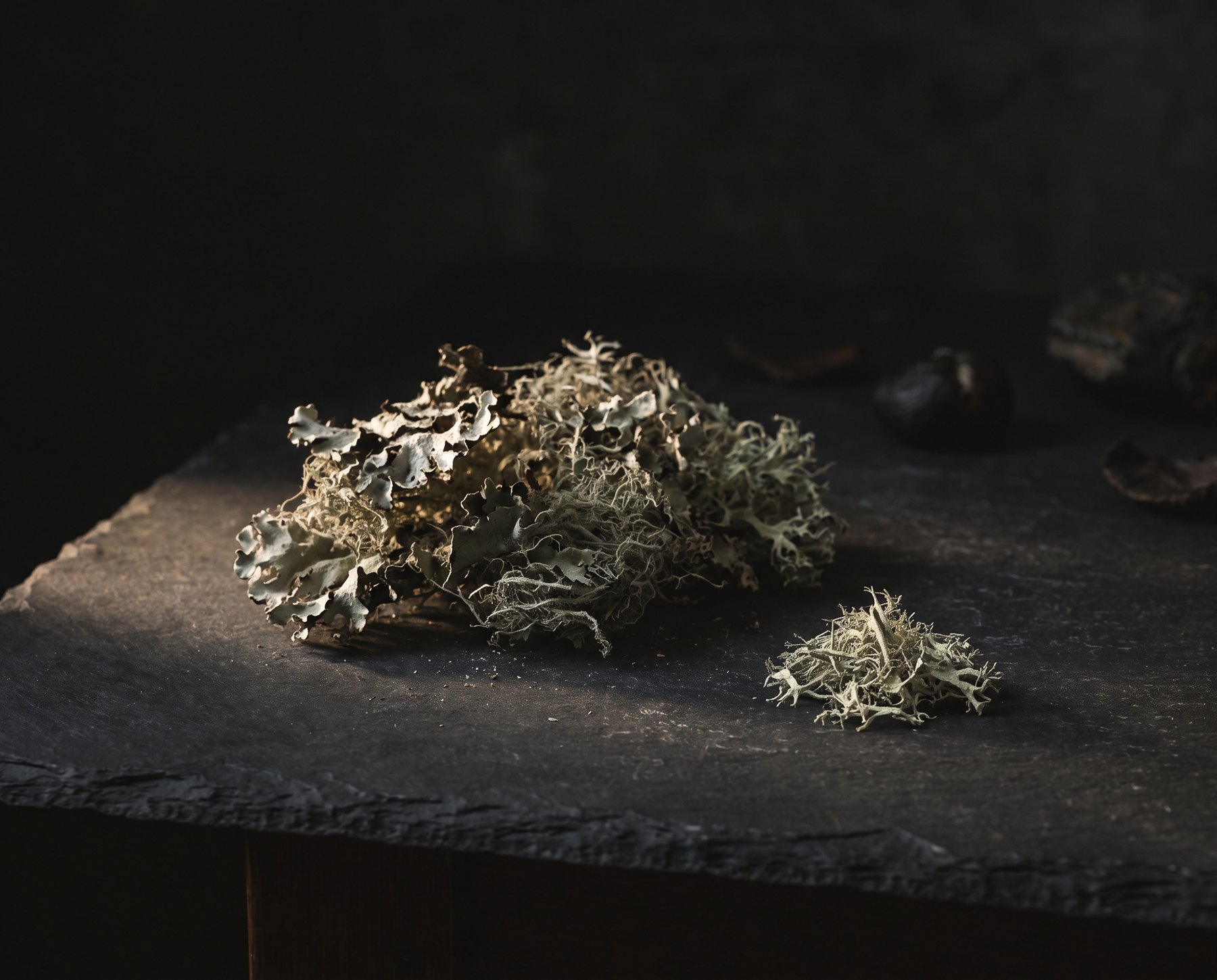
Rêu sồi là ví dụ rõ nhất. Đây là một nguyên liệu cổ điển, cho mùi ẩm, đắng, gần với đất và vỏ cây, nằm ở nền của cả hai họ nước hoa lớn là Chypre và Fougère.
Ngày 2 tháng 8 năm 2017, Uỷ ban châu Âu ban hành Quy chế 2017/1410, cấm atranol và chloroatranol trong mỹ phẩm. Hai chất này có tự nhiên trong chiết xuất rêu sồi và rêu cây, và được xếp vào nhóm chất gây nhiều ca dị ứng da nhất. Từ ngày 23 tháng 8 năm 2019, sản phẩm chứa chúng không được đưa ra thị trường châu Âu nữa; từ ngày 23 tháng 8 năm 2021, không được bày bán. Tiêu chuẩn của IFRA, hiệp hội quốc tế của ngành, cũng yêu cầu chiết xuất rêu sồi giữ mỗi chất dưới một ngưỡng rất thấp.
Hệ quả là rêu sồi dùng hôm nay phải là loại đã giảm atranol, và nhiều công thức thay một phần rêu bằng các phân tử gỗ và rêu tổng hợp. Đây là một thay đổi có lý do chính đáng. Nó cũng là lý do nhiều người thấy những chai quen đã khác đi.
Osmothèque: nơi giữ bản gốc
Nếu công thức cứ đổi, thì bản cũ đi đâu? Ở Versailles có một nơi trả lời câu hỏi ấy. Osmothèque, do Hội các nhà điều hương Pháp, Uỷ ban Nước hoa Pháp và Phòng Thương mại và Công nghiệp Paris cùng lập ra, tự mô tả mình là một nơi dành cho trí nhớ của mùi.
Việc của Osmothèque là lập danh mục các mùi đã có và sẽ có, đồng thời tìm lại dấu vết của những nước hoa lớn đã mất để làm chúng sống lại. Một kho lưu trữ như vậy không giữ tranh hay sách. Nó giữ những thứ bay hơi, và vì thế phải liên tục chăm sóc.
Chuyện của Fougère Royale cho thấy hai con đường cùng lúc. Chai của Houbigant, thường ghi năm 1882, là một trong những nước hoa đầu tiên dựng trên coumarin tổng hợp. Năm 2010, Houbigant phát hành lại Fougère Royale với một công thức mới. Cùng một cái tên, một bên là bản trong kho lưu trữ, một bên là bản trên kệ. Những dự án tái tạo mùi lịch sử trong bảo tàng, như Fleeting Scents in Colour ở Mauritshuis, cũng đi trên cùng ranh giới giữa gốc và bản làm lại.
Con thuyền của Theseus trong một chai
Plutarch kể rằng người Athens giữ con thuyền của Theseus rất lâu, thay dần những tấm ván mục bằng ván mới. Các triết gia hỏi: khi mọi tấm ván đều đã được thay, đó có còn là con thuyền cũ không?
Một chai nước hoa được đổi công thức là con thuyền ấy. Cái chai, cái tên, cái nhãn vẫn vậy. Từng thành phần bên trong được thay dần. Người giữ tên nói rằng đây vẫn là nó. Người nhớ mùi cũ nói rằng không.
Penta không nghĩ phải chọn một bên. Có lẽ câu trả lời nằm ở chỗ ta đo sự giống nhau bằng gì. Nếu đo bằng tên, thuyền vẫn là thuyền cũ. Nếu đo bằng vật, thuyền đã khác. Nếu đo bằng việc nó còn đưa được người qua sông không, thì câu hỏi lại mở ra theo một hướng khác.
Có một điều chắc chắn: mỗi phiên bản là dấu vết của thời nó được làm ra. Luật của năm ấy, vụ mùa của năm ấy, lựa chọn của người làm năm ấy. Ngửi một chai cũ và một chai mới cạnh nhau là ngửi hai thời điểm.
Why formulas change
People outside the trade tend to think of a famous perfume as fixed, like a painting in a museum. It is closer to a piece of music played again every year. Each production run is a new performance of the formula, with that year's materials.
Formulas change for many reasons. Some come from law: a substance is banned, restricted, or must be named on the label. Some come from supply: a failed harvest, a plant grown scarce, a supplier dropping an extract. Some come from cost. And some are simply that natural materials are never identical from one year to the next.
Not every change is large. Some are hard even for long time wearers to notice. Some make people say this bottle is no longer the one they loved. Between those ends lies a wide field, and everyone stands at a different point in it.
Oakmoss and atranol
Oakmoss is the clearest case. It is a classic material, damp and bitter, close to earth and bark, sitting at the base of two great perfume families, Chypre and Fougère.
On 2 August 2017 the European Commission adopted Regulation 2017/1410, prohibiting atranol and chloroatranol in cosmetics. Both occur naturally in oakmoss and treemoss extracts and are counted among the allergens behind the most skin allergy cases. From 23 August 2019 products containing them could no longer be placed on the European market; from 23 August 2021 they could no longer be made available. The standard of IFRA, the industry's international association, also requires oakmoss extracts to keep each substance below a very low limit.
The result is that oakmoss used today must be a low atranol grade, and many formulas replace part of the moss with synthetic woody and mossy molecules. The change has a sound reason. It is also why many people find that familiar bottles have shifted.
The Osmothèque: where originals are kept
If formulas keep changing, where do the old ones go? In Versailles there is a place that answers. The Osmothèque, founded jointly by the French Society of Perfumers, the French Perfume Committee and the Paris Chamber of Commerce and Industry, describes itself as a place devoted to the memory of odours.
Its work is to catalogue existing and future scents and to find traces of great lost perfumes in order to bring them back to life. Such an archive keeps no paintings or books. It keeps things that evaporate, and so it needs constant care.
The story of Fougère Royale shows both paths at once. Houbigant's perfume, usually dated 1882, was one of the first built on synthetic coumarin. In 2010 Houbigant re-released Fougère Royale with a new formula. One name: one version in the archive, one on the shelf. Museum projects that reconstruct historical smells, such as Fleeting Scents in Colour at the Mauritshuis, walk the same line between original and remake.
The ship of Theseus in a bottle
Plutarch tells that the Athenians kept the ship of Theseus for a long time, replacing rotten planks with new ones. Philosophers asked: once every plank has been replaced, is it still the old ship?
A reformulated perfume is that ship. The bottle, the name, the label stay the same. The components inside are replaced one by one. Those who keep the name say it is still itself. Those who remember the old smell say it is not.
Penta does not think one side must be chosen. Perhaps the answer depends on how we measure sameness. Measured by name, the ship is the old one. Measured by material, it has changed. Measured by whether it still carries people across the water, the question opens in another direction.
One thing is certain: each version is the trace of the time it was made. That year's rules, that year's harvest, that year's choices. Smelling an old bottle beside a new one is smelling two moments.

Olfactory Art