
Essays · Olfactory Art
Ernesto Neto. GaiaMotherTree.
Một cái cây mọc ở nơi mọi người chỉ đi ngang qua.
A tree grown where everyone only passes through.
Fondation Beyeler · Fondation Beyeler
Một cái cây trong sảnh ga
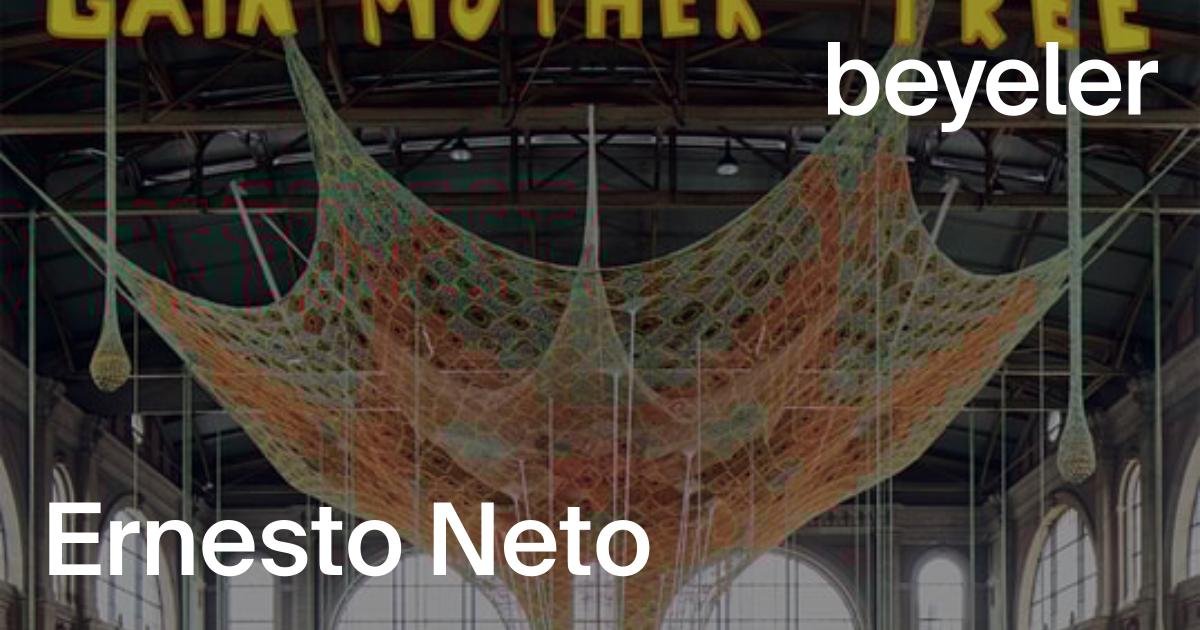
Mùa hè năm 2018, từ 30 tháng Sáu đến 29 tháng Bảy, sảnh chính của Ga Trung tâm Zurich có thêm một cái cây. Thân và tán của nó làm bằng những dải cotton nhuộm màu, thắt nút và móc tay bằng ngón. Tán cây vươn lên tới trần sảnh, cao chừng hai mươi mét.
Người đứng dưới gốc thấy một khoang rỗng, rộng, có thể bước vào. Quanh gốc là một vòng ghế tròn. Ai cũng ngồi được. Vào cửa không mất tiền.
Từ các cành, những túi vải hình giọt nước buông xuống. Bên trong là gia vị thơm và lá khô. Người đi qua ngửi thấy chúng trước khi hiểu mình đang đứng dưới cái gì.
Dự án do Fondation Beyeler, bảo tàng ở Riehen gần Basel, tổ chức. Nhưng tác phẩm không nằm trong bảo tàng. Nó nằm ở một trong những nơi đông người nhất Thuỵ Sĩ, giữa những chuyến tàu đến và đi.
Làm cùng người Huni Kuin
Ernesto Neto sinh năm 1964 ở Rio de Janeiro. Từ nhiều năm, ông làm những điêu khắc mềm, căng bằng vải, lưới, dây, để người xem bước vào thay vì đứng ngoài nhìn.
GaiaMotherTree ra đời từ quan hệ lâu dài giữa Neto và người Huni Kuin, một cộng đồng bản địa sống trong rừng Amazon, gần biên giới Brazil và Peru. Theo Fondation Beyeler, văn hoá, tập quán, tay nghề, cảm quan thẩm mỹ và cách người Huni Kuin nhìn thiên nhiên đã định hình lối làm việc của ông.
Điều đó thấy được ngay trong vật liệu. Dây được móc bằng tay, từng vòng một. Màu sắc dày, nhiều lớp. Hình cái cây không phải cây của một loài cụ thể. Nó là cây mẹ, một hình ảnh của sự che chở, của một nơi để tụ lại.
Neto không trình bày người Huni Kuin như một đề tài để nhìn. Ông học từ họ một cách sống cùng rừng, rồi mang cách ấy vào một không gian đô thị hoàn toàn khác.
Chỗ gặp nhau giữa dòng người vội
Fondation Beyeler mô tả tác phẩm như một nơi gặp gỡ, tương tác và thiền định. Suốt tháng Bảy năm ấy, dưới gốc cây có các buổi nói chuyện, biểu diễn âm nhạc, xưởng làm việc, buổi thiền và những lượt dẫn tham quan.
Một nhà ga được xây để người ta đi qua cho nhanh. Bảng giờ, loa thông báo, lối rẽ ra sân ga. Mọi thứ đều đẩy người ta về phía trước. GaiaMotherTree làm điều ngược lại. Nó mời người ta ngồi xuống.
Mùi giữ vai trò lớn trong lời mời ấy. Một sảnh ga có mùi riêng của nó: kim loại, bụi phanh, cà phê mang đi, đám đông. Gia vị và lá khô chen vào giữa những mùi đó, nhỏ nhưng khác hẳn. Người ta không cần đọc bảng giới thiệu để biết có điều gì đã đổi.
Có một điều đáng chú ý trong cách tác phẩm dùng mùi. Neto không chọn một mùi duy nhất để đại diện cho rừng. Ông treo nhiều túi, mỗi túi một ít gia vị, một ít lá. Mùi vì thế không đồng đều. Đứng chỗ này ngửi thấy một thứ, bước sang chỗ khác lại thấy thứ khác. Người ngồi lâu dưới gốc sẽ nhận ra mùi cũng thay đổi theo giờ, theo luồng gió từ các cửa ga, theo số người đứng quanh. Cái cây không phát ra một thông điệp. Nó để mỗi người tự dò.
Sau một tháng, cái cây được tháo xuống. Sảnh ga trở lại như cũ. Nhưng với những ai đã ngồi dưới tán ấy, sảnh ga có lẽ không còn hoàn toàn giống trước. Nó từng có một mùi rừng.
A tree in the station hall
In the summer of 2018, from 30 June to 29 July, the main hall of Zurich's central station gained a tree. Its trunk and crown were made of coloured cotton strips, knotted and crocheted by hand with the fingers. The crown rose to the ceiling of the hall, some twenty metres up.
Beneath it, the trunk opened into a wide hollow you could walk into. Around the base ran a circle of seats. Anyone could sit. Entry was free.
From the branches hung drop-shaped fabric pouches filled with aromatic spices and dried leaves. People passing by smelled them before they understood what they were standing under.
The project was organised by the Fondation Beyeler, the museum in Riehen near Basel. But the work was not in the museum. It stood in one of the busiest places in Switzerland, between trains arriving and leaving.
Working with the Huni Kuin
Ernesto Neto was born in 1964 in Rio de Janeiro. For many years he has made soft sculptures, stretched from fabric, netting and cord, that viewers enter rather than look at from outside.
GaiaMotherTree grew out of Neto's long relationship with the Huni Kuin, an Indigenous community of the Amazon near the border of Brazil and Peru. According to the Fondation Beyeler, their culture, customs, craft skills, sense of beauty and view of nature have shaped the way he works.
You can see it in the material. The cord is crocheted loop by loop. The colours are dense and layered. The tree is not any particular species. It is a mother tree, an image of shelter, of a place to gather.
Neto does not present the Huni Kuin as a subject to be looked at. He learns from them a way of living with the forest, and carries it into a completely different, urban space.
A meeting place among hurried crowds
The Fondation Beyeler described the work as a place for meeting, interaction and meditation. Throughout that July, the space beneath the tree hosted talks, music, workshops, meditation sessions and guided tours.
A station is built so that people can pass through quickly. Timetables, announcements, turns towards the platforms. Everything pushes forward. GaiaMotherTree did the opposite. It invited people to sit down.
Smell carried much of that invitation. A station hall has its own smell: metal, brake dust, takeaway coffee, crowds. Spices and dried leaves slipped in among them, faint but distinct. No one needed a wall label to sense that something had changed.
The way the work used smell is worth noticing. Neto did not pick a single scent to stand for the forest. He hung many pouches, each with a little spice, a few leaves. The smell was uneven. Stand here and you caught one thing; step aside and you caught another. Anyone who sat long enough might notice it shifting with the hour, with the draughts from the station doors, with the number of people around. The tree did not broadcast a message. It let each person find their own way in.
After a month the tree came down and the hall went back to what it was. But for those who sat under it, the hall may never be quite the same. For a while, it smelled of a forest.
Olfactory Art