
Essays · Olfactory Art
Lucy Chinen, Sean Raspet. Chloroform Scopolamine.
Một mùi hương về khoảnh khắc ta không còn tự chủ.
A scent about the moment we stop being in control.
Một loài hoa và một cảnh phim
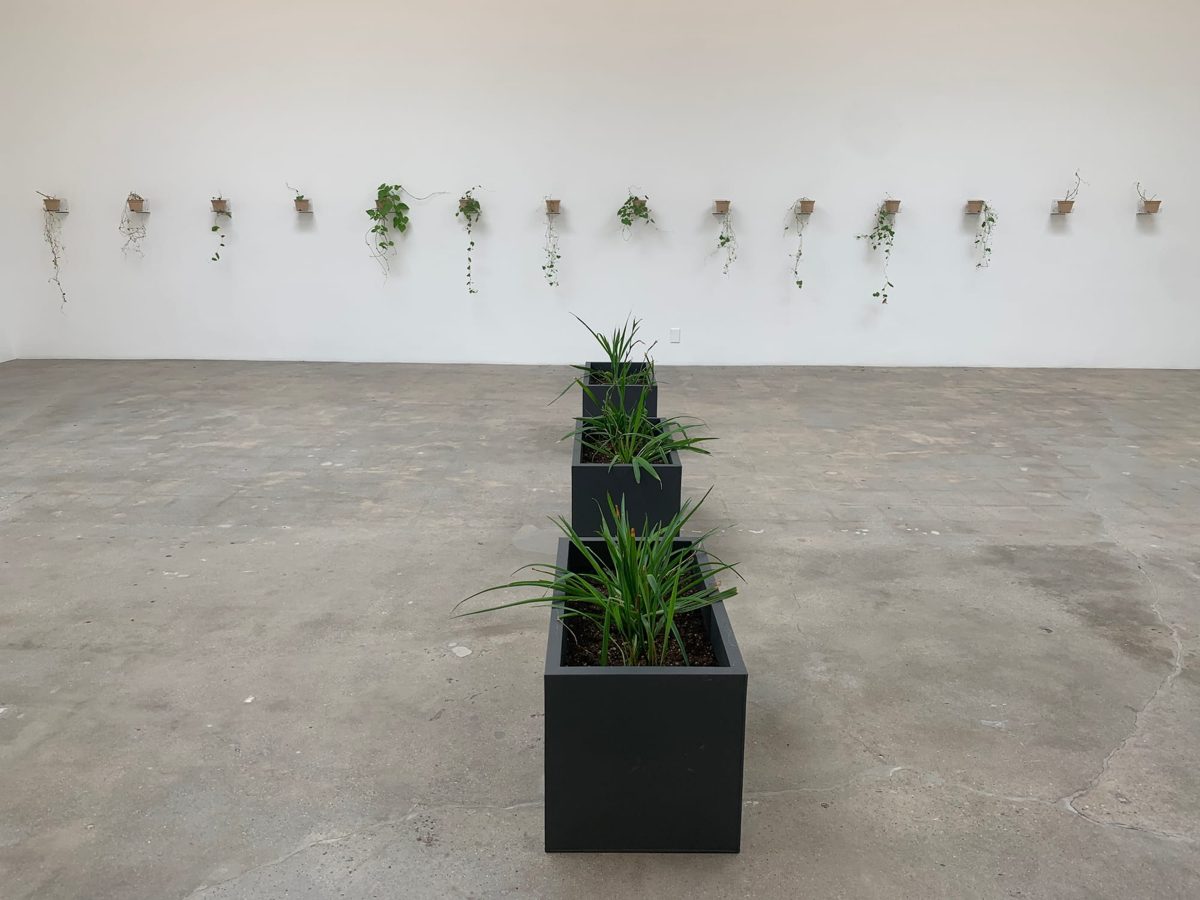
Chloroform Scopolamine là triển lãm của Lucy Chinen và Sean Raspet tại IAO Gallery, Los Angeles, từ ngày 22 tháng Ba đến ngày 20 tháng Tư năm 2025. Ở trung tâm là một nước hoa, được làm như một tác phẩm nghệ thuật.
Hai nguồn cảm hứng của nó nằm ở hai thế giới khác nhau. Một là cây kèn thiên thần, tên khoa học Brugmansia, loài cây có hoa lớn rủ xuống, là nguồn gốc tự nhiên của scopolamine. Hai là một mô típ quen thuộc trong điện ảnh: kẻ gian áp chiếc khăn tẩm chloroform lên mặt nạn nhân, và nạn nhân gục xuống sau vài giây.
Ai xem phim nhiều cũng nhận ra cảnh ấy. Nó nhanh, gọn, tiện cho kịch bản. Nó cũng là một hình ảnh về mùi: một hơi thở, rồi mất ý thức. Tác phẩm của Chinen và Raspet đặt hai nguồn ấy cạnh nhau, một thứ mọc từ đất, một thứ mọc từ màn ảnh.
Mùi của ngày hôm sau
Hai nghệ sĩ mô tả nước hoa của mình là một mùi hơi hiểm, nhiều sắc thái. Nó mở đầu bằng những nốt tươi, gợi một buổi tụ tập tưởng tượng. Rồi có những điếu thuốc ma. Rồi nó lắng xuống thành phần nền mà họ gọi là mùi của một tên tội phạm căng thẳng vừa làm đổ hoá chất, với những nốt xanh tổng hợp sắc lẹm.
Họ còn so nó với một cảm giác rất cụ thể: ngày hôm sau khi bị lừa tự nguyện ra cây ATM rút tiền. Một mùi không phải của lúc mất tỉnh, mà của lúc tỉnh lại và hiểu ra chuyện gì đã xảy ra.
Chi tiết điếu thuốc ma đến từ một hiện tượng được ghi nhận sau khi dùng scopolamine. Người dùng thấy rõ mình đang hút những điếu thuốc tưởng tượng. Một nguồn mà triển lãm dẫn lại kể rằng họ bò trên sàn tìm điếu thuốc vừa đánh rơi, trước khi nhận ra nó không có thật. Nước hoa giữ lại đúng dấu vết ấy: mùi khói của một vật không tồn tại.
Những hành động lặp lại
Đêm khai mạc, hai người diễn Liesel Hanson và Lee Tyler Thompson thực hiện một chuỗi hành động được dàn dựng. Động tác của họ trộn hai thứ: cách kẻ gian áp khăn chloroform trong phim, và trạng thái mê như người chịu tác động của scopolamine. Họ khuếch tán nước hoa quanh phòng theo những vòng lặp.
Hai nghệ sĩ dẫn đến Locus Solus, cuốn tiểu thuyết của nhà văn Pháp Raymond Roussel. Trong đó có những xác chết được làm cho cử động lại, lặp đi lặp lại những động tác quan trọng nhất của đời mình. Người diễn trong phòng trưng bày cũng lặp lại như vậy, như bị điều khiển bởi một thứ ở ngoài họ.
Hình ảnh ấy làm rõ câu hỏi của tác phẩm. Khi một chất đi vào cơ thể qua hơi thở, ai là người hành động? Người diễn, hay mùi?
Hai nghệ sĩ, một phân tử làm đề tài
Lucy Chinen là nghệ sĩ và người viết, đồng sáng lập nonfood, một công ty làm thực phẩm từ tảo. Cô từng triển lãm tại Sean's Room ở Los Angeles năm 2023, và góp mặt trong Synthetic Ecologies Lab của Serpentine Galleries.
Sean Raspet đã làm việc với mùi và cấu trúc phân tử hơn mười năm, triển lãm ở nhiều nơi, trong đó có Berlin Biennale lần thứ 9 và bảo tàng de Young. Ở một tác phẩm khác, New Olfactory Molecules, ông thiết kế những phân tử mùi chưa từng tồn tại. Ở đây, ông làm điều ngược lại: nhận một phân tử có sẵn trong tự nhiên, đã mang sẵn một lớp huyền thoại, rồi hỏi mùi của huyền thoại ấy là gì.
Triển lãm không dạy gì về hoá chất, cũng không cổ vũ gì. Nó đứng ở chỗ mùi gặp nỗi sợ, và để người xem tự hỏi: vì sao một mùi dễ chịu lại có thể khiến ta nghi ngờ?
A flower and a film scene
Chloroform Scopolamine was an exhibition by Lucy Chinen and Sean Raspet at IAO Gallery, Los Angeles, from 22 March to 20 April 2025. At its centre is a perfume, made as an artwork.
Its two sources come from different worlds. One is angel's trumpet, Brugmansia, a plant with large hanging flowers and the natural origin of scopolamine. The other is a familiar trope in cinema: a criminal presses a chloroform soaked rag over a victim's face, and the victim collapses within seconds.
Anyone who watches enough films knows the scene. It is quick, tidy, convenient for a script. It is also an image about smell: one breath, then unconsciousness. Chinen and Raspet place the two sources side by side, one grown from soil, one grown from the screen.
The smell of the day after
The artists describe their perfume as lightly nefarious and nuanced. It opens with fresh notes that suggest an imaginary gathering. Then come phantom cigarettes. Then it settles into what they call the base of a nervous criminal who has spilled chemicals, with sharp green synthetic notes.
They also compare it to a precise feeling: the day after being scammed into willingly withdrawing money from an ATM. Not the smell of losing awareness, but of coming round and understanding what happened.
The phantom cigarette comes from an effect recorded after scopolamine use. People vividly see themselves smoking imaginary cigarettes. One account quoted by the exhibition tells of users crawling on the floor looking for a dropped cigarette before realising it was never there. The perfume keeps exactly that trace: the smoke of something that does not exist.
Repeated actions
On opening night, performers Liesel Hanson and Lee Tyler Thompson carried out a choreographed sequence. Their movements mixed two things: the way film criminals apply a chloroform rag, and the trance of someone under scopolamine. They dispersed the perfume around the room in loops.
The artists point to Locus Solus, the novel by French writer Raymond Roussel. In it, corpses are made to move again, repeating the most important gestures of their past lives. The performers in the gallery repeat themselves too, as if driven by something outside them.
That image sharpens the question of the work. When a substance enters the body through the breath, who is acting? The performer, or the smell?
Two artists, one molecule as subject
Lucy Chinen is an artist and writer, co-founder of nonfood, an algae based food company. She has shown at Sean's Room in Los Angeles in 2023 and contributed to the Synthetic Ecologies Lab at Serpentine Galleries.
Sean Raspet has worked with scent and molecular structure for more than a decade, exhibiting widely, including at the 9th Berlin Biennale and the de Young museum. In another work, New Olfactory Molecules, he designed scent molecules that had never existed. Here he does the opposite: he takes a molecule already present in nature, already wrapped in myth, and asks what that myth smells like.
The exhibition teaches nothing about chemicals and promotes nothing. It stands where smell meets fear, and lets visitors ask themselves: why can a pleasant smell make us suspicious?
Olfactory Art