
Essays · Fashion as Design
Mary Quant.
Gấu váy được nhắn lên, và dấu kim còn ở lại.
The hem was taken up, and the needle marks stayed.

© Getty Images · Victoria and Albert Museum (V&A)
Một cửa hàng trên King's Road
Năm 1955, Mary Quant mở Bazaar tại Markham House trên King's Road, khu Chelsea, London, cùng Alexander Plunket Greene và Archie McNair. Hai năm sau, năm 1957, cửa hàng Bazaar thứ hai mở cũng trên King's Road. Năm 1967, cửa hàng thứ ba mở ở New Bond Street.
King's Road về sau trở thành một trong những con phố thời trang nổi tiếng nhất thế giới, và Bazaar là một phần lý do. Váy suông và váy ngắn dần thành dấu hiệu của Quant.
Mary Quant để lại một câu mà V&A đặt lên trang giới thiệu triển lãm. Đại ý: mục đích của thời trang là làm cho quần áo hợp thời đến được với tất cả mọi người. Toàn bộ sự nghiệp của bà xoay quanh ý ấy.
Từ một cửa hàng thành một hệ thống
Để đưa quần áo tới nhiều người, Quant cần nhiều hơn một cửa hàng. Năm 1962, bà ký hợp đồng với chuỗi JC Penney ở Mỹ. Năm 1963, bà ra mắt Ginger Group, một dòng hàng rẻ hơn để bán sỉ, và nhận giải Sunday Times International Award.
Tên Mary Quant được cấp phép cho nhiều dòng sản phẩm: quần tất, đồ lót, rồi mỹ phẩm mang biểu tượng bông cúc. Áo len skinny rib ra đời trong thập niên 1960. Quần short hot pants năm 1966. Cùng năm 1966, bà nhận huân chương OBE. Năm 1967, bộ sưu tập giày Quant Afoot ra mắt. Năm 1971, có cả một chiếc xe buýt trang điểm mang tên bà chạy trên đường.
V&A ước tính đến cuối thập niên 1960, khoảng 7 triệu phụ nữ sở hữu ít nhất một món đồ mang tên Mary Quant. Một con số như vậy cho thấy thời trang đã rời khỏi phòng may đo để đi vào tủ áo bình thường.
Quant cũng thích vật liệu mới của thời đại. Bộ sưu tập Wet Collection dùng PVC bóng, đi cùng những đôi ủng chống nước.
Ai làm ra chiếc váy ngắn
Người ta hay nói Mary Quant phát minh ra váy ngắn. V&A kể một câu chuyện chậm hơn. Váy ngắn dần hình thành qua nhiều người, nhiều năm, và từ chính đường phố.
Cuối thập niên 1950 đã có dấu hiệu ở Paris, với chiếc váy sack của Balenciaga năm 1957 đến 1958 và dáng Trapeze của Yves Saint Laurent năm 1959. Năm 1960, Quant mặc váy dài vừa chạm gối khi sang New York. Tháng 4 năm 1964, André Courrèges đưa váy ngắn lên sàn diễn, trong khi váy của Quant năm ấy vẫn dài ngang gối. Năm 1965, chữ miniskirt bắt đầu xuất hiện trên báo. Tới năm 1966, gấu váy mới thật sự ngắn.
Chữ mini có từ trước đó, gốc từ miniature, từng được dùng cho một chiếc xe ba bánh thập niên 1930 rồi cho chiếc Mini Minor năm 1959.
Quant gọi chiếc váy ngắn là khởi đầu của phong trào giải phóng phụ nữ. Dù ai làm ra nó trước, chính bà đã đưa nó ra phố.
Hơn 200 bộ đồ
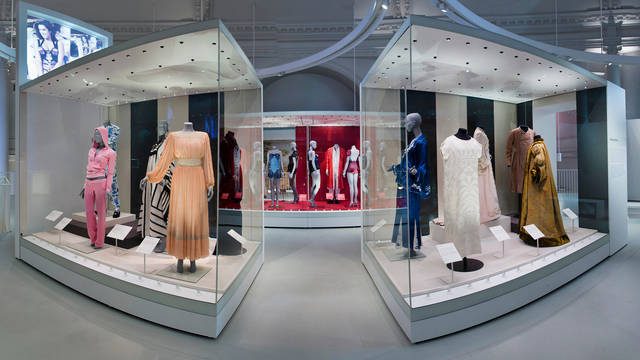
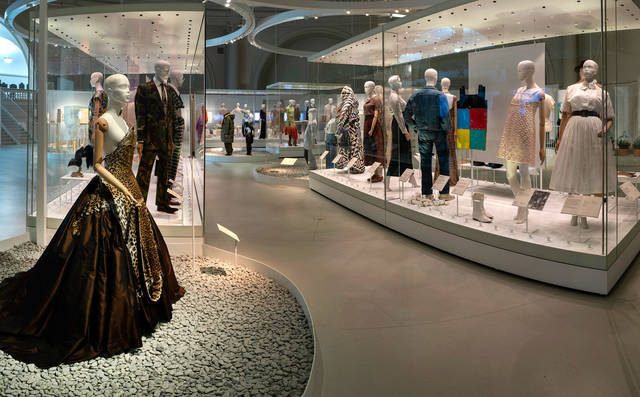
Từ ngày 6 tháng 4 năm 2019 đến ngày 16 tháng 2 năm 2020, V&A tổ chức triển lãm Mary Quant với hơn 200 bộ trang phục, trong đó có những món chưa từng công bố từ kho riêng của nhà thiết kế. Váy ngắn, quần short, quần tất màu, đồ lót, ủng PVC, mỹ phẩm. Có ảnh Twiggy năm 1966. Có ảnh Quant ở căn hộ trên Draycott Place.
Nhìn những chiếc váy ấy hôm nay, người xem thấy hai lớp thời gian. Lớp thứ nhất là năm chúng được may. Lớp thứ hai là những năm chúng được mặc, được nhắn gấu, được giữ lại trong tủ. Lớp thứ hai không có trong bản vẽ nào.
Một người phụ nữ khác cũng từng muốn quần áo giải phóng cơ thể người mặc, theo cách riêng của mình: Gabrielle Chanel. Fashion Manifesto.
A shop on the King's Road
In 1955 Mary Quant opened Bazaar at Markham House on the King's Road, Chelsea, London, with Alexander Plunket Greene and Archie McNair. A second Bazaar opened on the King's Road in 1957. A third shop followed on New Bond Street in 1967.
The King's Road later became one of the most famous fashion streets in the world, and Bazaar was part of the reason. Shift dresses and minidresses became Quant's signature.
The V&A introduced its exhibition with a line of hers, roughly: the whole point of fashion is to make fashionable clothes available to everyone. Her career turned on that idea.
From a shop to a system
To reach many people, Quant needed more than a shop. In 1962 she signed with JC Penney in the United States. In 1963 she launched the Ginger Group, a cheaper wholesale line, and received the Sunday Times International Award.
Her name was licensed across tights, underwear, then daisy-badged cosmetics. The skinny rib sweater came in the 1960s. Hot pants in 1966. The same year she was made an OBE. In 1967 came the Quant Afoot footwear. In 1971 a Mary Quant beauty bus was on the road.
The V&A estimates that by the end of the decade around 7 million women owned at least one Mary Quant product. A number like that shows fashion leaving the couture salon for ordinary wardrobes.
She liked the new materials of her time. The Wet Collection used shiny PVC, with weatherproof boots.
Who made the miniskirt
It is often said Mary Quant invented the miniskirt. The V&A tells a slower story. The short skirt took shape gradually, through many designers, many years, and the street itself.
Signs appeared in late 1950s Paris, with Balenciaga's sack dress of 1957 to 1958 and Yves Saint Laurent's Trapeze line of 1959. In 1960 Quant wore knee-skimming skirts in New York. In April 1964 André Courrèges showed short skirts on the catwalk, while Quant's hemlines that year were still at the knee. In 1965 the word miniskirt began to appear in newspapers. Only in 1966 did hems become really short.
The word mini was older, from miniature, used for a three-wheeled car in the 1930s and then the Mini-Minor in 1959.
Quant called the miniskirt the beginning of women's lib. Whoever made it first, she put it on the street.
Over 200 garments
From 6 April 2019 to 16 February 2020, the V&A showed Mary Quant with over 200 garments, including unseen pieces from the designer's own archive. Minidresses, hot pants, coloured tights, underwear, PVC boots, make-up. Twiggy photographed in 1966. Quant in her flat on Draycott Place.
Looking at these dresses now, you see two layers of time. The first is the year they were made. The second is the years they were worn, taken up, kept in a wardrobe. The second layer is in no drawing.
Another woman also wanted clothes to free the body of the wearer, in her own way: Gabrielle Chanel. Fashion Manifesto.
Fashion as Design