
Essays · Olfactory Art
Sadakichi Hartmann. A Trip to Japan in Sixteen Minutes.
Một chuyến đi mười sáu phút, chỉ bằng mũi.
A sixteen minute journey, by nose alone.
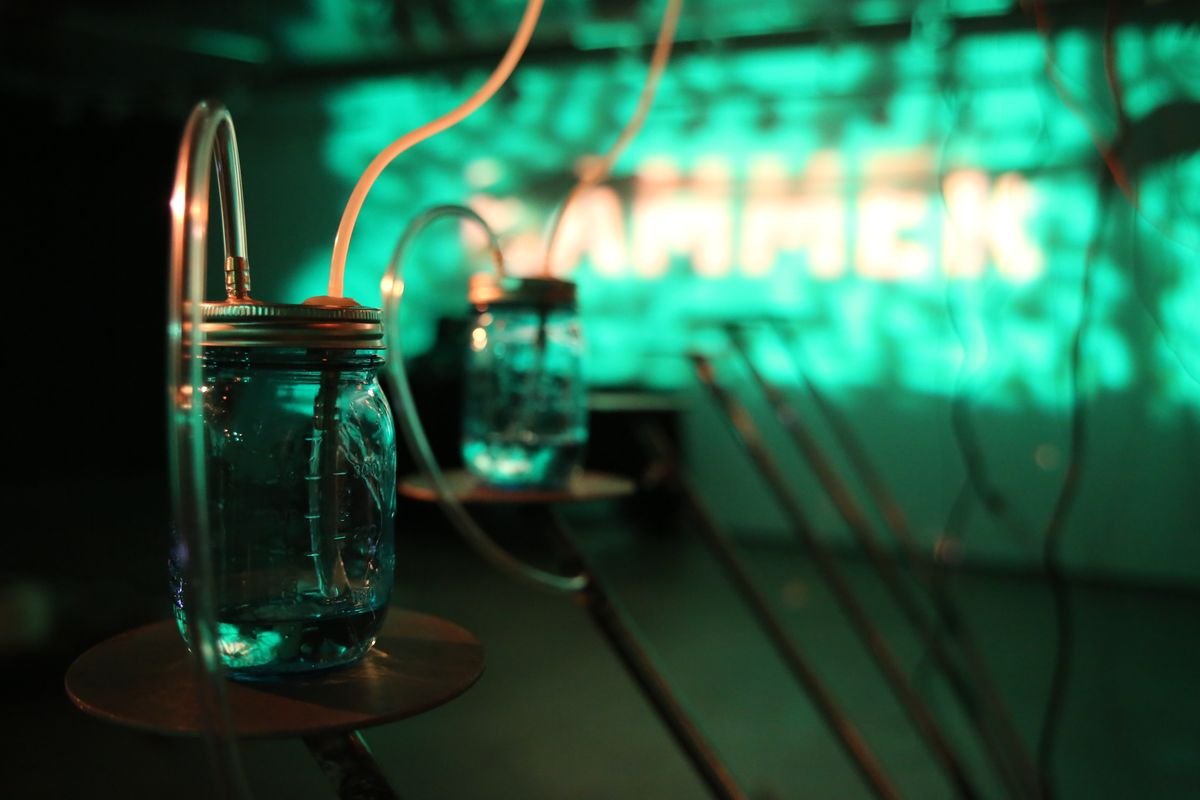
Rehearsal of the reconstruction, 2013; Bennett Barbakow / Smithsonian Magazine · Smithsonian Magazine
Một buổi hoà nhạc không có nốt nhạc
Năm 1902, ở New York, nhà thơ và nhà phê bình Sadakichi Hartmann đứng trên sân khấu với một ý tưởng chưa ai làm trước công chúng. Ông gọi nó là một buổi hoà nhạc mùi hương. Tên buổi diễn là A Trip to Japan in Sixteen Minutes, Một chuyến đi sang Nhật trong mười sáu phút.
Hartmann là người Mỹ gốc Đức và Nhật, sống giữa giới văn chương và nghệ thuật New York. Người cùng thời gọi ông là một người lập dị lớn. Ông viết thơ, viết phê bình nhiếp ảnh, và từ lâu đã ấp ủ ý tưởng dùng mùi như một nhạc cụ.
Lập luận của ông khá rõ. Âm nhạc đánh thức ký ức và cảm xúc trong đầu người nghe mà không cần lời. Mùi cũng làm được như vậy, có khi còn nhanh hơn. Vậy thì một chuỗi mùi, nối tiếp nhau theo thứ tự, cũng có thể thành một bản nhạc, và bản nhạc ấy có thể đưa người ta tới một nơi khác.
Đêm diễn
Hartmann chuẩn bị buổi diễn nhiều năm. Ông nhắm tới Carnegie Lyceum, một không gian quen với những buổi diễn thể nghiệm. Kế hoạch đổ vỡ vào phút chót. Buổi diễn chuyển sang một nhà hát ở New York vốn quen các tiết mục tạp kỹ và burlesque, nơi khán giả tới để xem hài và xem vũ nữ.
Trên sân khấu có Hartmann và những người diễn mặc trang phục geisha. Ông dùng quạt để thổi từng mùi hương về phía khán giả. Mỗi mùi được hình dung như một chặng trên đường từ New York sang Nhật.
Cách làm ấy tốn thời gian và không mấy hiệu quả. Mùi đi chậm, tan không đều, tới hàng ghế này trước hàng ghế kia. Khán giả không đợi. Tiếng la ó nổi lên. Buổi diễn dự định mười sáu phút dừng lại sau khoảng bốn phút.
Có lẽ vấn đề không nằm ở mùi. Nó nằm ở căn phòng. Một khán giả tới để cười không chuẩn bị để ngồi yên và ngửi. Cùng một ý tưởng, đặt sai chỗ, thành trò cười.
Theo các tài liệu còn lại, Hartmann không bao giờ thử làm lại buổi hoà nhạc mùi trước công chúng.
Vì sao một thất bại lại được nhớ
Nếu chỉ tính đêm diễn, A Trip to Japan in Sixteen Minutes là một thất bại. Nhưng nó được nhắc lại đến nay vì một lý do khác: đó là một trong những lần sớm nhất có người đem mùi lên sân khấu như chính tác phẩm, không phải như trang trí cho một vở kịch.
Trước Hartmann, mùi đã có mặt trong nhà hát, trong nhà thờ, trong những buổi tiệc. Nhưng ở đó mùi đi kèm một thứ khác. Hartmann muốn mùi đứng một mình, được sắp thành trình tự, được nghe như nghe nhạc.
Thất bại cũng là một dữ kiện. Nó cho thấy những vấn đề mà nghệ thuật khứu giác sau này phải giải: làm sao đưa mùi tới đúng lúc, làm sao xoá mùi cũ trước khi mùi mới tới, và làm sao giữ được sự chú ý của một khán giả chưa quen ngồi yên để ngửi.
Hơn một thế kỷ sau
Hơn một trăm năm sau, Institute for Art and Olfaction ở Los Angeles, do Saskia Wilson-Brown sáng lập, dựng lại chuyến đi của Hartmann tại Hammer Museum. Một nhóm mười ba nghệ sĩ cùng làm.
Lần này mùi không còn đơn giản. Nhà làm nước hoa Sherri Sebastian tạo sáu chế phẩm mùi, mỗi chế phẩm có tới hai mươi sáu thành phần. Khán giả ngồi bịt mắt. Một cỗ máy khuếch tán thay cho chiếc quạt. Hai nhà soạn nhạc Bennett Barbakow và Julia Owen làm phần âm thanh đi kèm.
Những vấn đề năm 1902 được giải bằng kỹ thuật. Nhưng ý tưởng gốc vẫn của Hartmann: một chuỗi mùi có thể kể một chuyến đi.
Ý tưởng ấy về sau đi rất xa. Wolfgang Georgsdorf dựng hẳn một cây đàn mùi, Smeller 2.0, để chơi những bản nhạc bằng mùi trong phòng tối. Hartmann không sống để thấy. Nhưng câu hỏi của ông đã có người trả lời.
A concert without notes
In 1902, in New York, the poet and critic Sadakichi Hartmann stood on a stage with an idea nobody had tried in public. He called it a perfume concert. Its title was A Trip to Japan in Sixteen Minutes.
Hartmann was German Japanese American, moving through the literary and art circles of New York. His contemporaries called him a grand eccentric. He wrote poetry and photography criticism, and had long nursed the idea of using smell as an instrument.
His reasoning was clear. Music wakes memories and feelings in the listener without words. Smell can do the same, sometimes faster. So a sequence of smells, one after another in order, could become a piece of music, and that music could carry people somewhere else.
The night
Hartmann prepared for years. He aimed for the Carnegie Lyceum, a space used to experimental work. The plan fell through at the last minute. The show moved to a New York theatre known for vaudeville and burlesque, where audiences came for comedy and dancing girls.
On stage were Hartmann and performers dressed as geishas. He used fans to push each scent toward the audience. Each smell was imagined as a stop on the way from New York to Japan.
The method was slow and ineffective. The smells travelled sluggishly, spread unevenly, reached one row before another. The audience did not wait. Heckling broke out. A show planned for sixteen minutes ended after about four.
Perhaps the problem was not the smells. It was the room. An audience that came to laugh was not ready to sit still and smell. The same idea, in the wrong place, became a joke.
According to surviving accounts, Hartmann never tried a public scent concert again.
Why a failure is remembered
Judged by the night alone, A Trip to Japan in Sixteen Minutes failed. It is still cited for another reason: it was one of the earliest times someone put smell on a stage as the work itself, not as decoration for a play.
Before Hartmann, smell had been present in theatres, churches, banquets. But there it accompanied something else. Hartmann wanted smell to stand alone, arranged in sequence, listened to like music.
The failure is also information. It exposed the problems olfactory art would later have to solve: how to deliver a smell on time, how to clear the old smell before the new one arrives, how to hold the attention of an audience not used to sitting still and smelling.
More than a century later
More than a hundred years later, the Institute for Art and Olfaction in Los Angeles, founded by Saskia Wilson-Brown, restaged Hartmann's journey at the Hammer Museum. A team of thirteen artists took part.
This time the smells were not simple. The perfumer Sherri Sebastian made six compositions, each with up to twenty six ingredients. The audience sat blindfolded. A diffusion machine replaced the fan. The composers Bennett Barbakow and Julia Owen made the accompanying sound.
The problems of 1902 were solved with engineering. But the core idea was still Hartmann's: a sequence of smells can tell a journey.
That idea travelled far. Wolfgang Georgsdorf built an entire smell organ, Smeller 2.0, to play compositions of scent in a dark room. Hartmann did not live to see it. But his question found its answer.

Olfactory Art